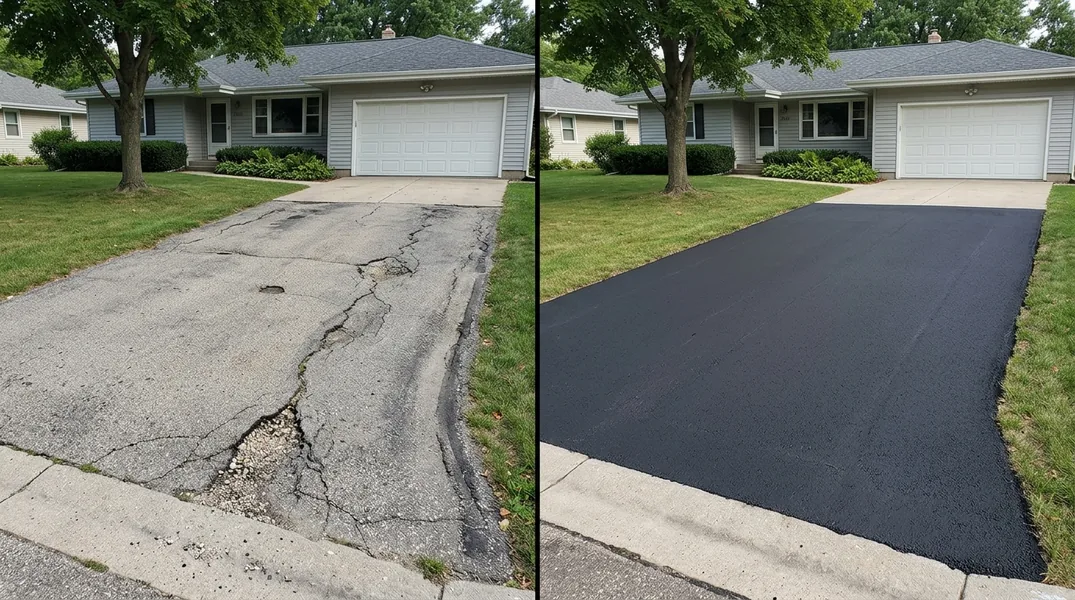
Understanding Asphalt Damage: When Repair Is Enough
Your driveway takes a beating. From freeze-thaw cycles in Madison winters to daily traffic and UV exposure, asphalt naturally deteriorates over time. The good news is that not every crack or pothole means you need a complete replacement. Knowing the difference between cosmetic wear and structural failure is the first step in making a smart repair decision.
Minor surface cracks, typically less than one-quarter inch wide, are often just cosmetic issues that don't threaten the integrity of your driveway. These hairline fractures can be sealed and monitored without major expense. Similarly, small potholes or localized soft spots may be candidates for Pothole Repair & Asphalt Patching rather than a full reconstruction. A professional inspection can help you understand whether your driveway is showing normal wear or signaling deeper problems that demand more aggressive intervention.
Signs Your Driveway Needs More Than a Patch
Certain damage patterns indicate that Driveway Repair alone won't solve your problem. If you notice widespread cracking that resembles alligator skin or a spider web, the asphalt base is likely failing. This type of deterioration typically means water has penetrated beneath the surface, compromising the foundation layers. Similarly, if your driveway has developed a pronounced bowl or wave shape, the subgrade has shifted, and patching won't restore a safe, level surface.
Repeated pothole formation in the same area is another red flag. While a single pothole can be patched, if you're filling the same spot multiple times each year, the underlying problem persists. Large sections of rutting, soft or spongy areas that feel unstable underfoot, and extensive edge crumbling also suggest that the asphalt has reached the end of its serviceable life. In these cases, Asphalt Resurfacing & Overlay or full replacement may be the more economical choice over time, since repeated repairs eventually cost as much as a new installation.
How Long for Asphalt to Cure and What That Means for Your Driveway
One of the most common questions homeowners ask is how long for asphalt to cure after installation or repair. Understanding the curing process helps you plan your driveway use and protects your investment. Fresh asphalt initially hardens within 48 to 72 hours, which is when it becomes safe to walk on. However, full curing takes significantly longer. The asphalt continues to harden and strengthen for up to six months, especially during warmer months when the material bonds more effectively.
Temperature plays a crucial role in curing speed. In Madison's cooler climate, curing may take longer than in warmer regions. During the first week, avoid parking heavy vehicles on new asphalt and minimize foot traffic. Softer asphalt can develop depressions under concentrated weight before it's fully hardened. Weather also matters: rain during the curing process can affect the surface finish, and extreme heat can accelerate curing while cold slows it down. Your contractor will provide specific guidance based on the season and local conditions.
How Long Before You Can Drive on New Asphalt: A Timeline
If you've just invested in Asphalt Driveway Paving & Installation, you're probably eager to use your driveway. The answer to how long before you can drive on new asphalt depends on the type of use and weather conditions. Light traffic and passenger vehicles can typically use the driveway after three to five days, provided the surface is firm and weather conditions have been stable. This assumes temperatures have been moderate and there hasn't been significant rain.
However, heavy vehicles such as delivery trucks, RVs, or vehicles towing trailers should wait at least two weeks before using the driveway. Even light vehicles should avoid parking in the same spot for extended periods during the first month, as concentrated weight can create permanent impressions in incompletely cured asphalt. If you've had patching work done, the same general timeline applies, though the patch may cure faster than a full overlay depending on the repair depth. Always follow your contractor's specific recommendations, as they'll have assessed your particular installation and local weather patterns.
New Asphalt Driveway Care: Protecting Your Investment
Once your driveway is installed, proper maintenance is essential to maximize its lifespan and avoid costly repairs. New asphalt driveway care begins immediately after the curing period ends. The most important step is sealing, which protects the asphalt from oxidation, water penetration, and UV damage. Most contractors recommend waiting six to twelve months before applying the first seal coat, allowing the asphalt to fully cure and any residual oils to evaporate. After that initial seal, you should reseal every two to three years, depending on traffic volume and weather exposure.
Beyond sealing, basic maintenance prevents small problems from becoming expensive ones. Keep your driveway clean by sweeping away debris and washing away salt residue after winter. Fill small cracks promptly before water can penetrate and expand them. Avoid placing heavy equipment or allowing oil and fluid spills, as these can soften and degrade asphalt. Trim overhanging tree branches to prevent shade and moisture accumulation, which can slow drying and encourage algae growth. Simple preventive care extends your driveway's life by five to ten years, making it one of the best investments you can make in your property.
How Often to Seal Driveway: A Maintenance Schedule for Madison Homeowners
Establishing a regular sealing schedule is one of the most cost-effective ways to protect your asphalt investment. How often to seal driveway is a question with a straightforward answer: every two to three years for most residential driveways in normal use. However, your specific schedule may vary based on climate, traffic, and the current condition of your asphalt. In Madison, where freeze-thaw cycles and road salt are common winter challenges, you might benefit from sealing every two years to provide extra protection against moisture and chemical damage.
High-traffic driveways, those exposed to direct sun, or those in areas with harsh winters may need sealing annually or every eighteen months. Conversely, lightly used driveways in shaded areas might stretch to three or four years between applications. The best approach is to inspect your driveway each spring and fall. If the surface looks faded or water no longer beads up on the asphalt, it's time to seal. A professional seal coat costs far less than patching or resurfacing damaged asphalt, and it keeps your driveway looking newer while extending its overall lifespan. If you're unsure about your driveway's sealing needs, Madison Asphalt Paving can assess your pavement and recommend a maintenance plan tailored to your situation.
Making the Repair vs. Replace Decision: When to Call a Professional
Deciding whether to repair or replace your driveway ultimately comes down to cost, age, and extent of damage. A general rule of thumb is that if repairs exceed 50 percent of the cost of replacement, or if your driveway is more than 15 to 20 years old, replacement is usually the better choice. However, every driveway is different, and a professional assessment is invaluable. Madison Asphalt Paving can evaluate your specific situation and provide honest guidance on whether repair, resurfacing, or replacement makes the most financial and practical sense.
Don't let uncertainty delay action. The longer you wait to address driveway damage, the worse it becomes. Water infiltration spreads cracks and weakens the base, turning a simple repair into a major project. If you're in Middleton, Fitchburg, Sun Prairie, or the surrounding area, reach out to Madison Asphalt Paving at (608) 292-2500 or visit our website to request a free estimate. Our team will inspect your driveway thoroughly, explain your options, and provide pricing for each solution so you can make an informed decision with confidence.
Looking for a professional asphalt paving contractor in Madison? Madison Asphalt Paving responds fast for all your asphalt paving needs.
Get a Free Quote